VeriFactu: what changes in your invoicing from October 2028?
Updated on 6 October 2026
Imagine if the tax authorities could check, the very moment you issue an invoice, that it is genuine and has not been tampered with. That is exactly what VeriFactu, the new invoice verification system driven by the Spanish Tax Agency (AEAT), is designed to achieve.
And if your business issues invoices for electric vehicle charging, this regulation will affect you sooner or later. We explain what it requires, from when, and how to avoid being caught off guard.
What is VeriFactu and why does it exist?
VeriFactu is the invoice verification system regulated by Royal Decree 1007/2023, of 5 December. Its aim is to combat tax fraud by ensuring that invoicing records are complete, retained, traceable and cannot be altered once issued.
In practice, this means that each invoice generates a record with a digital fingerprint (hash) that links it to the previous invoice, forming a chain. If someone tried to modify a past invoice, the chain would break and the change would be recorded.
The timeline you need to know
The original timeline was postponed by one year by Royal Decree-law 15/2025 and, according to the latest announcement from the tax authorities, it is being postponed again. This is where the timeline stands today:
How we got here
Expected date according to the latest announcement
If you still see 2026 or 2027 as the deadline somewhere, it may be information from before the announcement. Until the BOE publishes the rule, the timeline is not final, and we will update this article when it does.
What does the new system require?
Every company or self-employed worker in Spain that uses invoicing software must ensure that each invoice includes:
Applies to:
Excluded, or following a different route:
What if I don’t report in real time?
The Regulation also provides for a “No VeriFactu mode”, in which the record is still generated but is not sent to the tax authorities at the time; it is only kept in case it is requested during an inspection. Although it is legal, it is not the option we recommend.
“Reporting in real time, invoice by invoice, is the way to stop a small error from becoming a big problem later on. With No VeriFactu mode, any anomaly is discovered all at once the day an inspection arrives, with the risk of penalties accumulated over several financial years.”
The consequences of failing to adapt are not minor: financial penalties of up to €50,000 per financial year with anomalies in invoice issuing, as well as possible administrative consequences and, in the most serious cases, criminal ones.
My charger manufacturer only gives me receipts. Is that enough?
It is likely that several hardware manufacturers will choose to issue receipts without VAT instead of invoices, precisely so that they are not themselves considered invoicing software and do not take on VeriFactu responsibility.
That does not remove your obligation. As the owner of the charging point, you are still required to issue a simplified invoice to anyone who asks for one, regardless of what your supplier gives you. Without a system to automate it, you would have to enter each receipt manually in your accounts and issue the invoices one by one.
How does EVcharge help you?
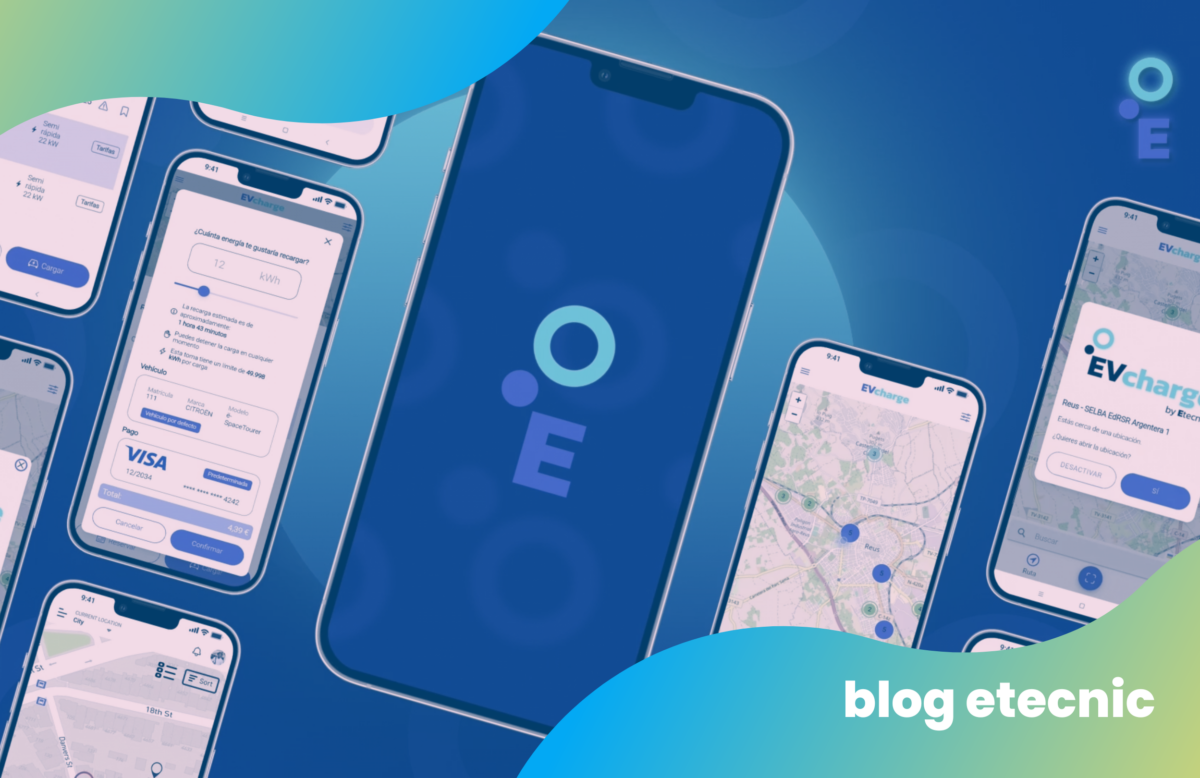
If you manage charging points with EVcharge, the good news is that you won’t have to solve this on your own. Our platform takes care of the whole invoicing cycle: it generates the record of each invoice with its tamper-proof hash, signs it electronically with Etecnic’s digital certificate, adds the QR code and reports it to the AEAT in real time. No extra technical or accounting work, and no legal risk on your side.
That said, not all customers start from the same situation. Depending on how you invoice today, your case fits one of these four scenarios:
You already invoice with us
Etecnic already issues your invoices on your behalf. You don’t need to do anything: we keep managing the whole process, already adapted to VeriFactu.
You want us to start invoicing for you
You don’t want to handle your own invoicing. We activate the EVcharge VeriFactu module for you: you only need to sign an authorisation (Form 017) and we take care of the rest.
You prefer to invoice yourself
No problem. If your system is already connected to our API, nothing changes: we just send you the data for each charging session. If it isn’t yet, we complete that connection so the data reaches you automatically.
We used to invoice for you and now you want to invoice yourself
That is also possible. It is a change we assess case by case, so the best thing is to speak directly with our team to define the next steps together.
Whatever your situation, adapting to VeriFactu with EVcharge should mean neither a technical headache nor additional legal risk.
There is still time until October 2028, but adapting with room to spare always works out better than rushing.
Want to know whether VeriFactu affects you, and from when, in your specific case?
Answer 5 quick questions about how you invoice charging today and we’ll tell you what you need to do and by when, without leaving any data.