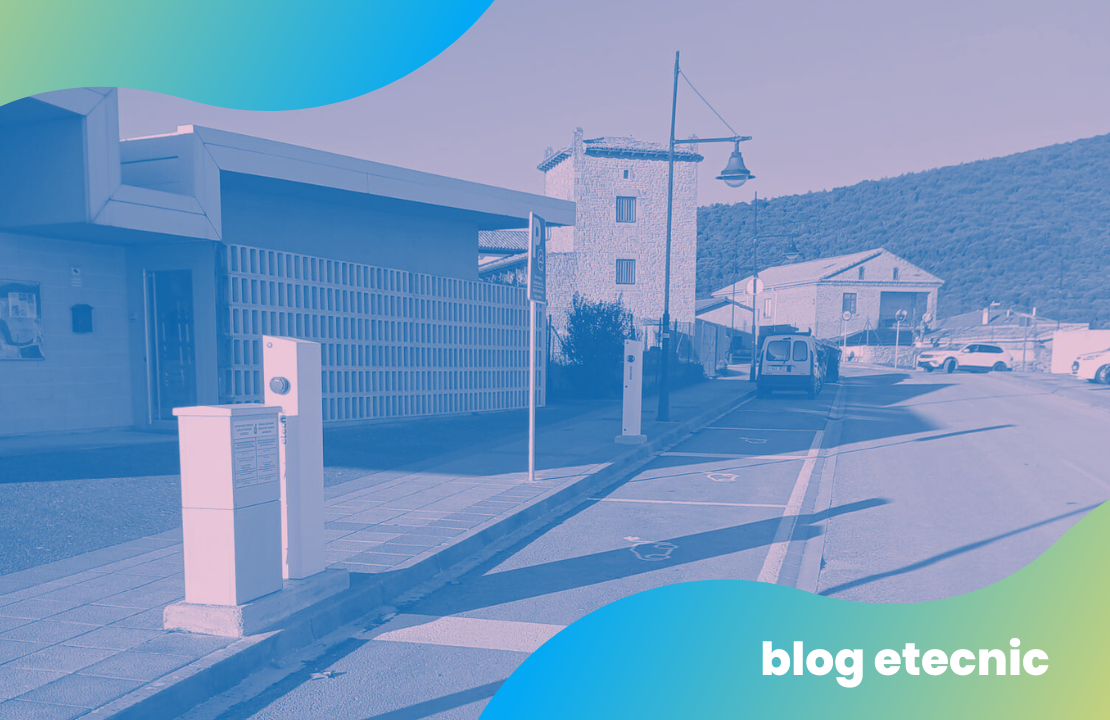
An exemplary project for the deployment of public charging infrastructure for electric vehicles
Located north of the Pamplona region, the municipality of Berrioplano groups 10 councils with a population scattered across nuclei of over 80 inhabitants. Like many rural or semi-urban municipalities, Berrioplano faces several sustainability challenges: ensuring equitable access to services, reducing polluting emissions, and moving towards cleaner mobility without compromising the accessibility of its citizens.
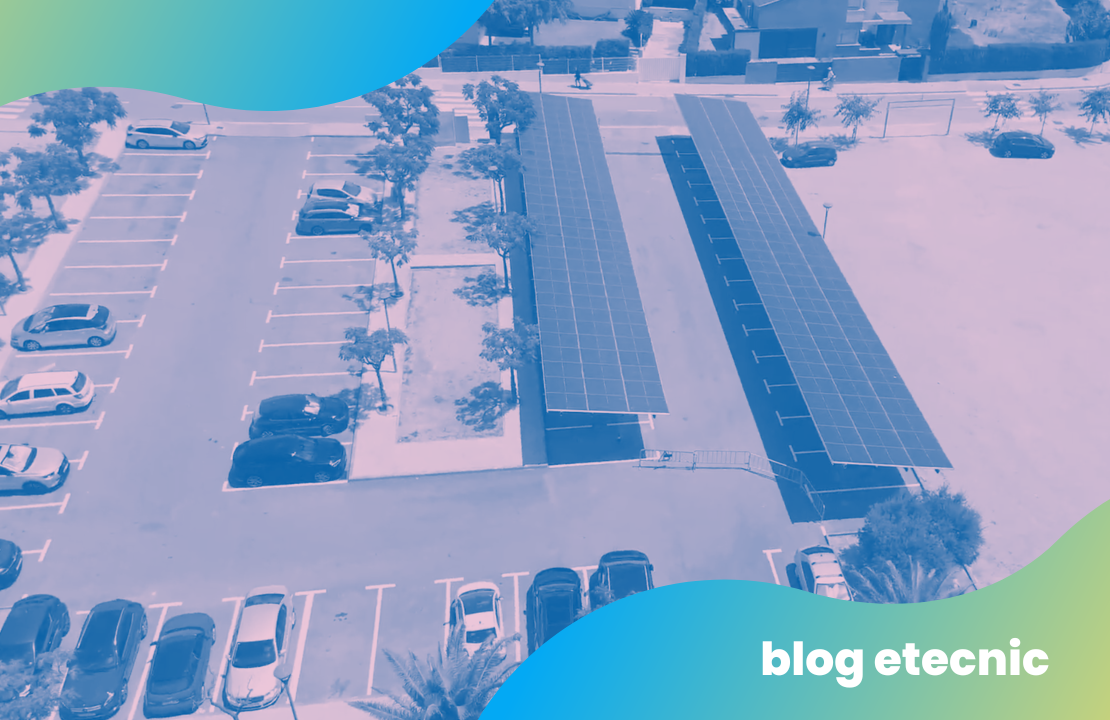
In this context, the Berrioplano City Council has led an exemplary project for the deployment of public charging infrastructure for electric vehicles, becoming a regional benchmark in charging points per inhabitant. In 2024, the municipality reached the figure of 12 charging points distributed across 10 councils, with active public management and an adapted tariff model that includes direct subsidies for residents.
Thanks to the integration with the platform Navarra Te Recarga, powered by EVcharge technology, citizens can easily locate, reserve, and pay for their charges. This infrastructure has normalized the use of electric vehicles in the municipality, supporting an accessible, sustainable, and well-managed transition.
Key results of the year 2024:
- 1,339 charging sessions completed
- 21,533 kWh supplied
- 18,095 kg of CO₂ avoided
- More than 90 electric vehicles registered in the municipality
These figures reflect Berrioplano’s real commitment to environmental improvement and to mobility adapted to local needs.
We interview Félix Remirez, Mayor of Berrioplano
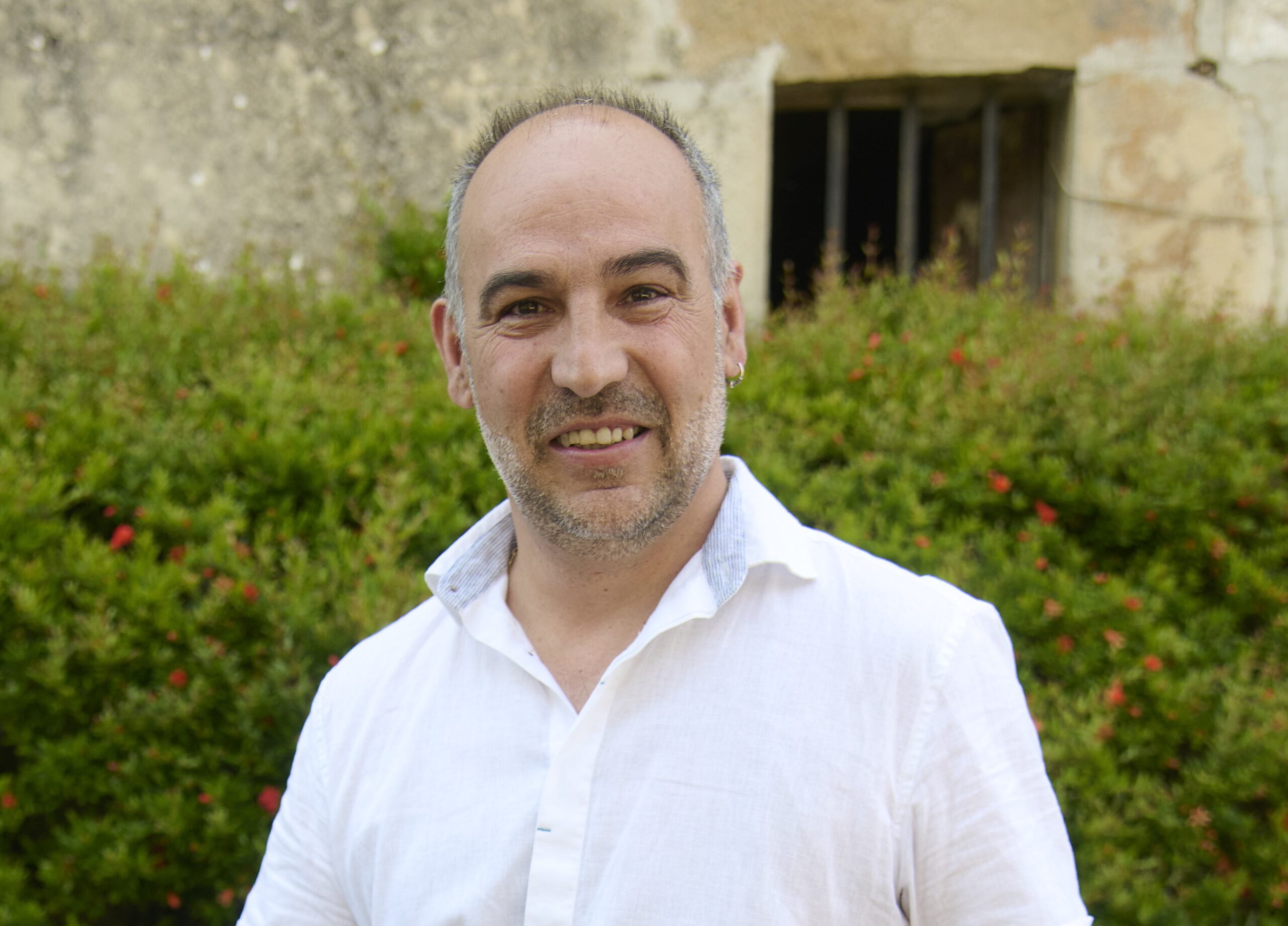
How did the project start and why did you decide to bet on electric mobility?
The idea was born during the 2015-2019 term, when we had to replace a municipal van. We opted for an electric model and that’s when we saw the potential. For it to make sense, we had to build a public charging network that would serve the different councils, and that’s exactly what we did.
What management model did you follow for the deployment of the network?
We manage the network directly from the City Council. We bet on a decentralized approach: installing charging points in all councils with a significant population, and applying a competitive tariff. Additionally, we offer bonuses for residents, which has been key to boosting the use of electric vehicles.
What role has technology played in this process?
It has been fundamental. The Navarra Te Recarga platform allows us to have total control over the charging points, view real-time statistics, and offer an excellent user experience. Residents register easily, charge, and pay directly from their mobile phones. It’s simple and it works.
What impact has the network had on the municipality?
The network has greatly eased the transition to electric vehicles. Today we already have more than 90 electric cars registered, and we expect this to keep growing. It has also helped position Berrioplano as a municipality that acts with environmental responsibility.
Micro-towns, key to the transition with sustainable mobility
The case of Berrioplano proves that small municipalities, with political will, efficient management, and the right technological support, can lead the transition towards sustainable mobility. The combination of public infrastructure, direct management, accessible tariffs, and technology at the service of the citizen has resulted in a scalable, realistic, and effective model.
In 2025, Berrioplano will continue to expand its charging network, reinforcing its commitment to the decarbonization of transport and serving as an example for other territories seeking balanced and fair sustainable development.