Electric vehicle charging infrastructure development: Strategies for SMEs and large corporations

Electric mobility is gaining ground at a rapid pace around the world. Driven by growing climate change concerns and the imperative to curb greenhouse gas emissions, electric vehicles (EVs) are becoming an increasingly attractive choice for consumers and businesses alike.

However, for this green transition to truly succeed, establishing a robust and accessible electric vehicle charging infrastructure is paramount. Both small and medium-sized enterprises (SMEs) and large enterprises play a essential role in this evolution. In this article, we outline tailored strategies to address this challenge across both business environments.

SMEs: Agile and efficient strategies

SMEs hold the advantage of being able to deploy agile, adaptable solutions for electric vehicle (EV) charging infrastructure deployment. Here are several core strategies to evaluate:

Local needs assessment:

Prior to kicking off any charging point installation project, gaining a clear picture of the local market and conducting an exhaustive assessment of current demand is essential.

  • Is there growing electric vehicle adoption in your area?
  • How many employees or clients could benefit from on-site charging stations?
  • Do employees have access to alternative charging points within a 20–50 km radius?
  • Do I currently have, or can I allocate, space for a dedicated charging zone on-site?

Understanding the local landscape empowers informed decision-making regarding the quantity and optimal positioning of charging points.

Focus on private EV charging infrastructure:

For SMEs, prioritizing charging installations at the workplace and within employee residential garages presents a highly effective strategy. This step not only streamlines EV adoption among staff, but also fosters a pro-electric culture throughout the organization.

Collaboration with specialized providers:

Forming strategic partnerships with specialized suppliers can significantly lower installation and maintenance expenses for charging stations; simple as it may seem, not every company is equipped or conversant with industry standards and regulations. These alliances deliver access to turnkey integrated solutions that might otherwise carry prohibitive costs for SMEs.

Appropriate technology selection:

When selecting charging technology, opting for mid-power smart chargers (between 7 and 22 kW) provides the sweet spot between upfront cost and performance. Furthermore, prioritize future-proofing your installation to scale seamlessly alongside growing fleet requirements.

Efficient management:

Deploying centralized management systems to track and administer charging points, such as EVcharge, is key to optimizing usage and maintenance. These platforms enable granular control over power consumption alongside proactive maintenance schedules to minimize downtime.

Large enterprises: Scale and strategic vision

Large corporations navigate unique complexities when deploying electric vehicle charging infrastructure. However, they also possess the leverage to execute large-scale solutions backed by long-term strategic vision. Below are targeted strategies tailored for enterprise environments:

Comprehensive planning:

Carrying out mobility studies—incorporating workplace commuting plans and site-by-site charging demand analyses across corporate facilities—is critical. This scope goes beyond corporate EV fleet charging to cover the charging requirements of staff and visiting clients.

Public and private infrastructure:

Combine mid-power smart chargers (7 to 22 kW) for private workplace use with fast or ultra-fast public chargers (50 to 120 kW) at strategic sites. This delivers flexible and high-speed charging options for employees, visitors, and corporate delivery or service fleets that require minimal downtime.

Renewable energy integration:

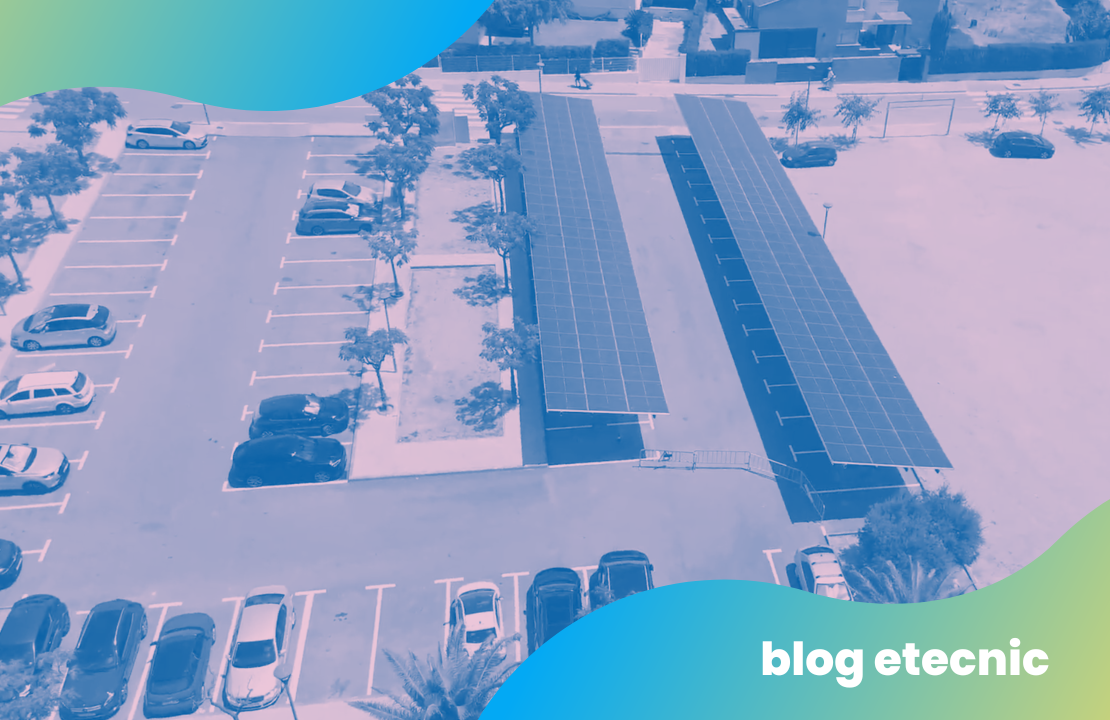
Explore on-site solar power generation to power charging stations and deliver a fully integrated EV charging ecosystem. Pairing EV infrastructure with renewable sources minimizes corporate carbon footprints while lowering long-term operational costs.

Centralized and efficient management:

Implementing centralized management systems to monitor and control charging points, such as EVcharge, is crucial for optimizing utilization, maintenance, and providing 24/7/365 remote user support. These management platforms enable precise energy control alongside proactive servicing to maximize uptime and elevate user experience.

Internal training and promotion:

Educating employees on electric mobility and encouraging adoption is vital to the long-term success of any charging infrastructure initiative. Establish incentive programs that reward EV usage and champion an eco-friendly workplace culture across the organization.

In conclusion, by adopting agile, efficient strategies, SMEs can drive meaningful contributions to electric mobility adoption across their local communities. Furthermore, having a reliable charging infrastructure backbone makes the transition considerably smoother.

On the other hand, large enterprises can leverage their scale and strategic outlook to execute nationwide and international deployments that accelerate EV adoption on a massive scale.

Ultimately, selecting appropriate technologies, partnering with industry specialists like Etecnic, and maintaining a clear strategic vision form the cornerstone of success in this exciting transition toward electric mobility.

PGRpdiBpZD0iemZfZGl2X0hDanFKRmhtRTIxNERka3FoMlNCZzkwampkbnZFRkNvRENaYmdwTVh0VjgiPjwvZGl2PjxzY3JpcHQgdHlwZT0idGV4dC9qYXZhc2NyaXB0Ij4oZnVuY3Rpb24oKSB7CnRyeXsKdmFyIGYgPSBkb2N1bWVudC5jcmVhdGVFbGVtZW50KCJpZnJhbWUiKTsgIApmLnNyYyA9ICdodHRwczovL2Zvcm1zLnpvaG9wdWJsaWMuY29tL21hcmtldGluZzM1MS9mb3JtL0VURUNOSUNNT1ZFUy9mb3JtcGVybWEvSENqcUpGaG1FMjE0RGRrcWgyU0JnOTBqamRudkVGQ29EQ1piZ3BNWHRWOD96Zl9yc3pmbT0xJzsKZi5zdHlsZS5ib3JkZXI9Im5vbmUiOyAgICAgICAgICAgICAgICAgICAgICAgICAgICAgICAgICAgICAgICAgICAKZi5zdHlsZS5oZWlnaHQ9IjcwMHB4IjsKZi5zdHlsZS53aWR0aD0iMTAwJSI7CmYuc3R5bGUudHJhbnNpdGlvbj0iYWxsIDAuNXMgZWFzZSI7Ly8gTm8gSTE4Tgp2YXIgZCA9IGRvY3VtZW50LmdldEVsZW1lbnRCeUlkKCJ6Zl9kaXZfSENqcUpGaG1FMjE0RGRrcWgyU0JnOTBqamRudkVGQ29EQ1piZ3BNWHRWOCIpOwpkLmFwcGVuZENoaWxkKGYpOwp3aW5kb3cuYWRkRXZlbnRMaXN0ZW5lcignbWVzc2FnZScsIGZ1bmN0aW9uICgpewp2YXIgemZfaWZybV9kYXRhID0gZXZlbnQuZGF0YS5zcGxpdCgifCIpOwp2YXIgemZfcGVybWEgPSB6Zl9pZnJtX2RhdGFbMF07CnZhciB6Zl9pZnJtX2h0X253ID0gKCBwYXJzZUludCh6Zl9pZnJtX2RhdGFbMV0sIDEwKSArIDE1ICkgKyAicHgiOwp2YXIgaWZyYW1lID0gZG9jdW1lbnQuZ2V0RWxlbWVudEJ5SWQoInpmX2Rpdl9IQ2pxSkZobUUyMTREZGtxaDJTQmc5MGpqZG52RUZDb0RDWmJncE1YdFY4IikuZ2V0RWxlbWVudHNCeVRhZ05hbWUoImlmcmFtZSIpWzBdOwppZiAoIChpZnJhbWUuc3JjKS5pbmRleE9mKCdmb3JtcGVybWEnKSA+IDAgJiYgKGlmcmFtZS5zcmMpLmluZGV4T2YoemZfcGVybWEpID4gMCApIHsKdmFyIHByZXZJZnJhbWVIZWlnaHQgPSBpZnJhbWUuc3R5bGUuaGVpZ2h0OwppZiAoIHByZXZJZnJhbWVIZWlnaHQgIT0gemZfaWZybV9odF9udyApIHsKaWZyYW1lLnN0eWxlLmhlaWdodCA9IHpmX2lmcm1faHRfbnc7Cn0gICAKfQp9LCBmYWxzZSk7Cn1jYXRjaChlKXt9Cn0pKCk7PC9zY3JpcHQ+