What’s New in the Third Edition: 25 Million Euros for the Region
Strategic lines of support:
- Self-consumption: Installation of photovoltaic plants on municipal buildings.
- Efficient climate control: Replacement of fossil fuel boilers with heat pumps (aerothermal energy).
- Smart management: Energy storage and monitoring systems.
- Lighting: Complete transition to LED technology in public spaces.
Towards a Shared and Supportive Self-Consumption Model
One of the most innovative pillars of Renovables 2030 is the promotion of energy communities and shared self-consumption. The surplus energy generated on the roofs of sports centers or schools not only reduces public spending, but can also be used to combat energy poverty, supplying electricity to vulnerable families living in the vicinity of the installation.
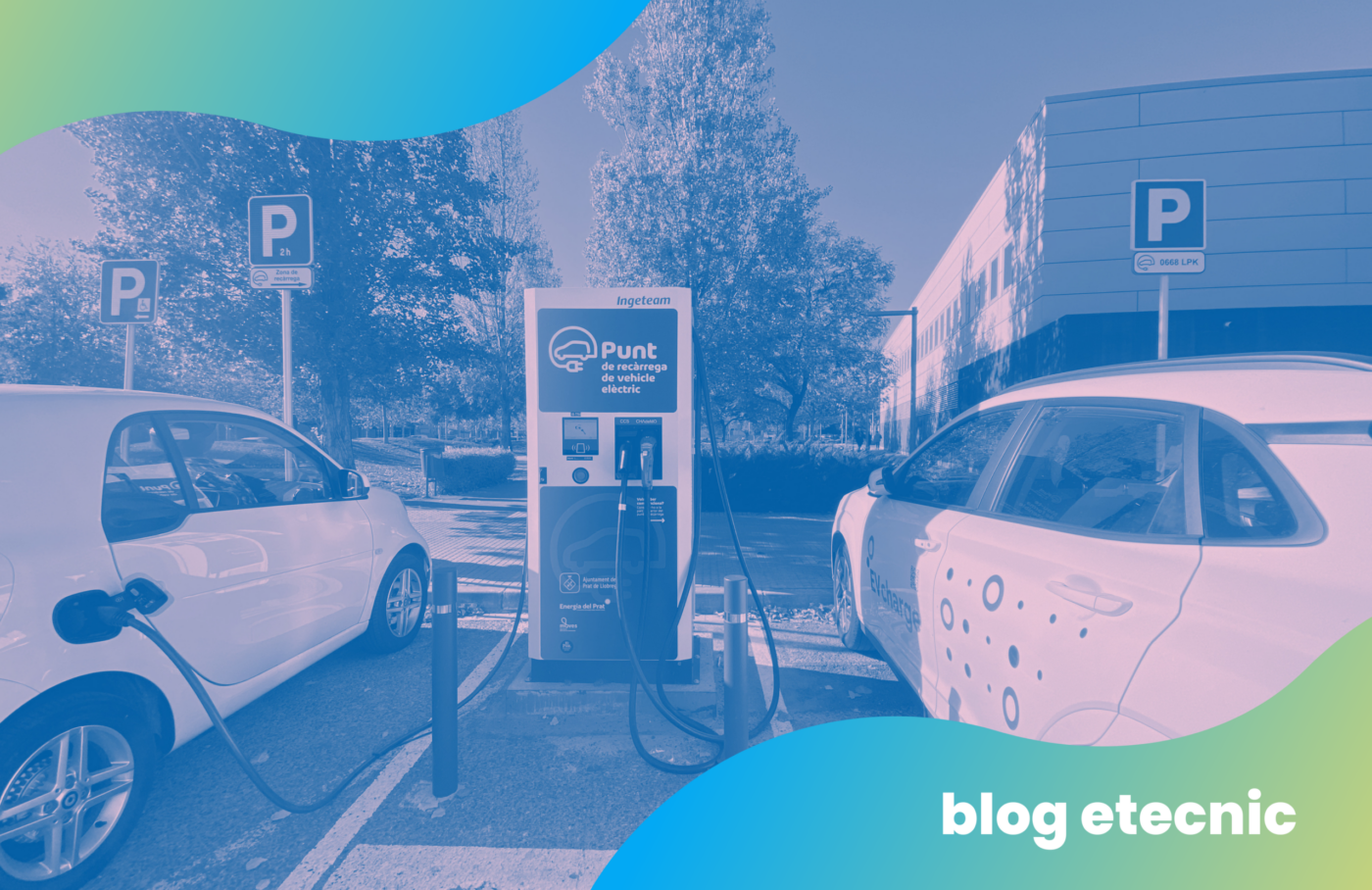
To ensure these energy flows are managed transparently and efficiently, it is essential to have advanced control tools. Within this ecosystem, platforms such as EVcharge allow the integration of electric mobility into the municipal energy strategy, using solar surplus to charge public fleets or citizens’ vehicles.
Economic Impact and Application Deadlines
The profitability of these projects is immediate. It is estimated that the interventions funded by this program allow for savings of up to 70% on the municipal electricity bill. These freed-up resources can be reinvested by city councils into social services or urban improvements, multiplying the benefit for citizens.
The application period for this edition opened on April 8, 2026, and will remain open until November 2, 2026. Given the high demand and the competitive allocation of funds, agility in drafting technical projects is key to a successful application.
Do you represent a public administration and want to leverage the Renovables 2030 funds?
At Etecnic, we support you with technical consulting and the comprehensive execution of your projects.
Request technical advice